
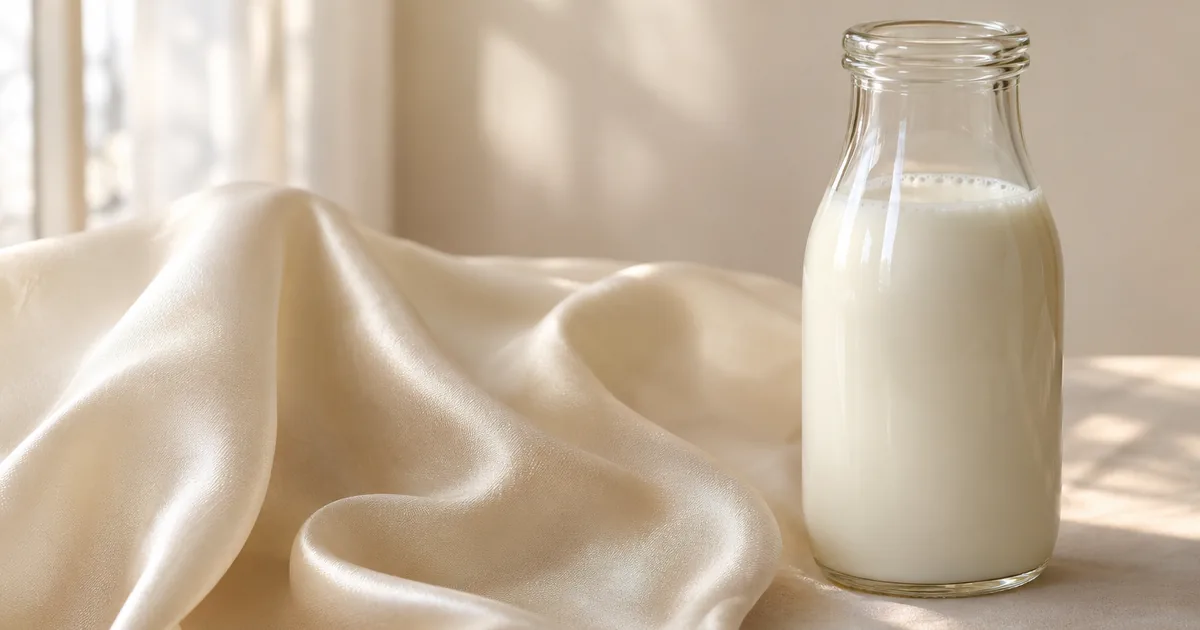
What is milk silk fabric? In simple terms, it is a soft, smooth textile made from casein, the main protein in milk. Despite the name, it has nothing to do with silkworms. The word “silk” describes how the fabric feels, which is light, silky and gentle on the skin. Milk silk is also called milk fiber, milk protein fiber or casein fiber.
This guide explains how the fabric is made, where it came from, what it is good for, how it compares with silk and cotton, and how to care for it.
7 Amazing Facts About Milk Silk Fabric
- It is made from milk protein. Casein makes up roughly 80% of the protein in milk, and it is the raw material for the fiber.
- It does not come from silkworms. The “silk” in the name refers to the look and feel.
- It dates back to the 1930s. Italian chemist Antonio Ferretti developed a way to turn casein into fiber, which led to the wool substitute Lanital.
- It feels soft and smooth. Many people describe it as silky with a slightly cashmere-like softness.
- It is breathable and absorbs moisture well. That makes it comfortable against the skin.
- It is often blended. Milk fiber is commonly mixed with cotton, silk, wool or synthetic fibers.
- It needs gentle care. It weakens when wet and does not like high heat.
What Is Milk Silk Fabric Made Of?
Milk silk is a regenerated protein fiber. That means the protein is taken from milk, dissolved and spun again into a new fiber. It belongs to a group of fibers known as azlons, which were developed to compete with natural protein fibers such as wool and silk. The Museum of Fine Arts Boston’s conservation database, CAMEO, describes casein fiber as a regenerated protein fiber made from polymerized casein.
Pure casein fabric is rare. Many products sold as milk silk are blends, and some contain a large share of synthetic fiber such as polyester or acrylic. The label matters.
How Milk Silk Fabric Is Made

- Collect and skim the milk. Fat is removed so that mostly protein remains.
- Separate the casein. Acid causes the milk to curdle, and the casein is washed, dried and milled into a fine powder.
- Dissolve it. The powder is dissolved, often in an alkaline solution, to create a spinning liquid.
- Spin the fibers. The liquid is pushed through tiny holes to form filaments, which are then set.
- Make yarn and fabric. The fibers can be spun alone or blended with cotton, silk, wool or other fibers, then woven or knitted.
Some producers say they can use milk that would otherwise be thrown away, such as milk past its sell-by date, which could reduce waste.
A Short History of Milk Silk
To understand what is milk silk fabric today, it helps to look at its past. In the 1930s, Ferretti’s casein fiber was patented in Italy and sold as Lanital. Other brands followed, including Aralac in the United States and Merinova. These early fibers were mainly wool substitutes, and they faded as petroleum-based fibers took over.
The idea returned in the early 2000s. A German company called Qmilch, founded by designer Anke Domaske, and a Chinese textile firm called Shandong Haotian developed their own modern methods. Domaske says her process makes casein fabric without toxic chemicals.
Properties and Benefits of Milk Silk Fabric
If you are wondering what is milk silk fabric good at, these are the traits makers highlight most often:
- Softness: a smooth, light hand feel that suits sensitive skin.
- Silky luster: a gentle sheen similar to silk, though more matte.
- Good drape: it falls well, which suits blouses, dresses and scarves.
- Moisture control: it absorbs and wicks moisture and is breathable.
- Dyeability: it is naturally white and takes bright colors.
- Possible antibacterial effect: manufacturers report natural antibacterial properties, though results depend on the product and any added finish.
Drawbacks of Milk Silk Fabric
- Lower strength when wet. Casein fiber loses strength in water.
- Sensitive to heat. It can soften, turn yellow or become brittle with prolonged high heat.
- Limited supply. Pure casein fiber is harder to make, so it can be expensive and less common.
- Unclear labeling. Some “milk silk” products are mostly polyester or acrylic.
- Not vegan. It comes from dairy.
Milk Silk vs Silk, Cotton and Modal
People who ask what is milk silk fabric often want to know how it differs from similar materials. Here is a quick comparison:

| Fabric | Source | Feel | Care |
|---|---|---|---|
| Milk silk | Milk protein (casein) | Soft, smooth, light sheen | Gentle wash, low heat |
| Real silk | Silkworm cocoons | Smooth, glossy, strong sheen | Often hand wash or dry clean |
| Cotton | Cotton plant | Soft, matte, breathable | Easy, machine washable |
| Modal | Beech tree pulp | Very soft, smooth drape | Machine wash, gentle |
What Is Milk Silk Fabric Used For?

- Blouses, tops and dresses.
- Underwear and loungewear.
- Baby clothing and sleepwear.
- Scarves and shawls.
- Bedding such as pillowcases and sheets, usually in blends.
- Medical and hygiene textiles, thanks to its soft and moisture-wicking feel.
How to Spot Genuine Milk Silk
To judge what is milk silk fabric and what is just a marketing name, check these things:
- Read the fiber content label. Look for “casein” or “milk protein fiber” with a clear percentage.
- Be wary of vague names. A label that only says “milk silk” with no breakdown may hide a polyester blend.
- Look for certification. Oeko-Tex or similar standards show the fabric was tested for harmful substances.
- Compare the price. Very cheap fabric labeled as milk silk is unlikely to contain much real milk protein.
How to Care for Milk Silk Fabric
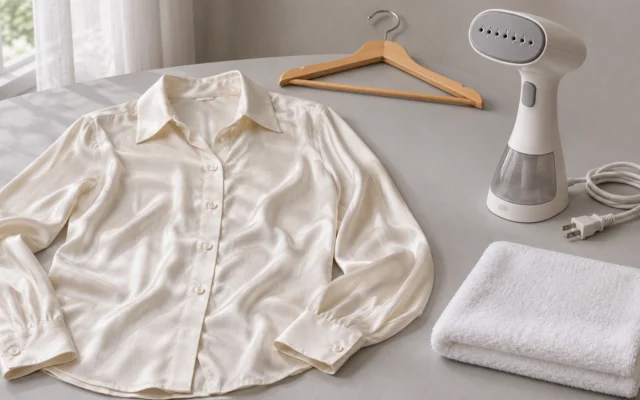
Knowing what is milk silk fabric also means knowing how to wash it. Always follow the care label, because blends differ. As a general guide:
- Wash gently in cool or lukewarm water with a mild detergent.
- Avoid wringing or twisting, especially when wet.
- Air dry flat or on a hanger, away from direct sun and heat.
- Iron on a low setting if needed.
- Store clean, dry and away from moths.
Is Milk Silk Vegan, Sustainable or Hypoallergenic?
A common follow-up to what is milk silk fabric is whether it is vegan, eco-friendly or safe for sensitive skin. Here are the short answers.
Vegan: no. The protein comes from dairy.
Sustainable: it can be, particularly when made from surplus milk and with low-chemical processes, but sustainability depends on the maker. Check for certification instead of relying on the name.
Hypoallergenic: many sellers describe it as gentle on sensitive skin. If you have a serious milk allergy, speak to a doctor before wearing it against your skin.
Frequently Asked Questions
What is milk silk fabric?
It is a soft, silky fabric made from casein, the protein in milk. It is also called milk fiber or casein fiber.
What is milk silk fabric made from?
It is made from casein, a protein found in milk, which is dissolved, spun into fibers and woven or knitted into cloth.
Is milk silk the same as real silk?
No. Real silk comes from silkworms, while milk silk comes from milk protein. Milk silk is more matte and generally less strong than silk.
Is milk silk fabric good for summer?
Yes. It is light, breathable and absorbs moisture, so it suits warm weather.
Is milk silk fabric expensive?
Pure casein fabric is usually costly because production is limited. Blends are cheaper.
Can you wash milk silk in a washing machine?
Check the label. Many people choose a gentle cycle in cool water or hand washing to protect the fiber.
Does milk silk fabric smell like milk?
No. The fiber is processed, so it should not smell like milk.
Final Thoughts
Now that you know what is milk silk fabric, you can see why it has attracted designers and shoppers who want something soft, breathable and a little different from silk or cotton. Look for clear fiber labels and certification, follow the care instructions, and treat it gently. Do that and a milk silk garment can feel comfortable for years.
Source: CAMEO, Museum of Fine Arts Boston. Fabric properties vary between makers and blends, so always check the product label.
Read More At: TheDailyNewsPoint
Contact Us At: TheDailyNewsPoint