

What is a backorder? It’s an order for a product that’s temporarily out of stock, which the seller accepts and agrees to fill once new inventory arrives. You click buy, the store says “ships in two to three weeks,” and you wait. Instead of losing the sale, the store keeps it on hold.
You’ve probably met one without noticing. Maybe it was a popular air fryer that sold out after a holiday sale, a replacement part that’s stuck at the factory or a sneaker that keeps vanishing from the shelves. The word shows up on product pages, in order emails and in supply chain news, and it means slightly different things to shoppers and to sellers.
This guide explains what is a backorder, how it works, why it happens, what the law says in the United States, and how both buyers and sellers can handle one without a headache.
What is a backorder?
A backorder is a customer order that can’t be shipped right away because the item isn’t on hand, but that the seller agrees to fulfill when stock is replenished. Investopedia’s entry on the backorder definition puts it simply: it’s a sale for something the seller doesn’t currently have in the warehouse.
Picture a retailer with 30 air purifiers in stock and 42 orders coming in. The first 30 ship. The other 12 become backorders, which the store will fill as soon as the next shipment from the supplier lands. If you’re still asking what is a backorder in practice, that’s the whole idea: the order is real, but the product is late.
Backorder vs out of stock vs preorder
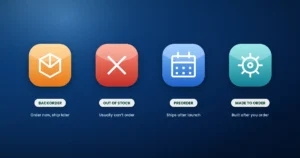
These terms get mixed up constantly, but they describe different situations. A product can even be out of stock and available for backorder at the same time.
| Status | What it means | What to expect |
|---|---|---|
| Backorder | An existing product that is temporarily out of stock but expected back | Order now, ship later |
| Out of stock | A product that is currently unavailable, often with no order option | Usually can’t order |
| Preorder | A product offered before its release or first availability | Ships after launch |
| Made to order | An item built after the customer orders it | Ships after it’s produced |
Backorder, backlog and stockout: related terms
Part of knowing what is a backorder is knowing its neighbors. A backlog is the total pile of unfilled orders, a stockout is the moment inventory hits zero, and “back order” as two words often shows up on the purchasing side, where a supplier hasn’t delivered all of what a company ordered. They overlap, but they aren’t interchangeable.
How does a backorder work?
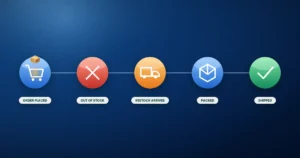
- The item runs out. Demand outpaces stock, or a shipment is late.
- The store keeps selling. The page shows “backorder” or “ships in X weeks” instead of hiding the product.
- You place an order. The store records it and shows an estimated date.
- Stock arrives. New inventory reaches the warehouse, and backorders are filled in order.
- The order ships. Sometimes it’s in parts if only some items are available.
Payment timing varies. Some stores charge immediately and some wait until the item ships. Under the FTC’s order rule, sellers generally can’t charge a credit card until the item ships, but practices differ for other payment methods, so check the terms. If you’re comparing pay-later offers at checkout, our guide to embedded finance explains how those options work.
Why do backorders happen?
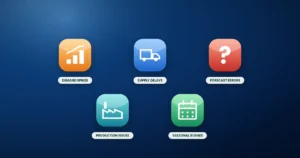
- Demand spikes. A viral product or a sale can clear shelves overnight.
- Supply chain delays. Factory, port or supplier problems push restocks back.
- Forecasting errors. A seller underestimates how much they’ll sell.
- Production issues. Parts shortages or quality problems slow manufacturing.
- Seasonal rushes. Holidays and back-to-school periods strain inventory.
Often it’s a mix of several causes at once, which is why a clear supplier timeline matters.
What the law says about a backorder
If you’re asking what is a backorder from a legal point of view, start here. In the United States, sellers of most goods ordered online, by phone or by mail must follow the FTC’s Mail, Internet, or Telephone Order Merchandise Rule. The FTC’s business guide to the rule spells out the basics:
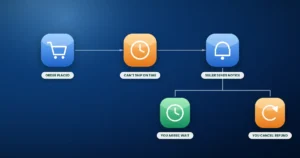
- You need a reasonable basis for any shipping time you state. If you state none, you must reasonably expect to ship within 30 days.
- If you can’t ship on time, you have to notify the customer and ask for consent to the delay.
- For a first delay of up to 30 days, silence can be treated as consent. For longer or indefinite delays, no reply means the order is cancelled.
- If the customer doesn’t consent, the seller must cancel and issue a prompt refund.
Pros and cons of a backorder
Understanding what is a backorder also means weighing its pros and cons. For sellers, backorders keep sales moving, capture demand and show what customers actually want. The trade-offs are cancellations if the wait is long, tied-up cash and unhappy customers if updates are poor.
For buyers, a backorder secures a place in line for something popular and saves you from checking for restocks. The downside is the wait, plus the chance of delays or price changes.
7 ways sellers can manage backorders
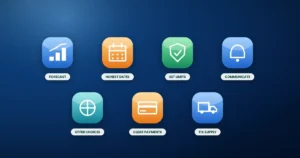
Managing what is a backorder well comes down to seven habits.
1. Forecast demand
Use past sales, seasonality and promotions to plan inventory, and keep a safety stock for best sellers.
2. Show an honest estimated date
A realistic date beats a hopeful one. Shipfusion’s guide to what is a backorder notes that customers may cancel if the delay is too long.
3. Set backorder limits
Cap how many units you’ll accept so you don’t promise more than your supplier can deliver.
4. Communicate early and often
Send confirmation, delay and shipping emails. Silence is the fastest way to lose a customer.
5. Offer choices
Let customers cancel, switch to an alternative product or wait for a partial shipment.
6. Handle payments carefully
Be clear about when you charge, and follow the FTC rules on delay notices and refunds.
7. Strengthen the supply side
Talk to suppliers about lead times, consider a backup source and track delays so patterns show up early.
If you’re the buyer
If you’re a shopper wondering what is a backorder going to mean for your wallet and your calendar, a few habits help.
- Check the estimated date and ask how firm it is.
- Read the policy. Look for when you’ll be charged and how cancellations work.
- Keep your confirmation email so you can follow up.
- Know your options. If the delay stretches out, you can generally cancel and ask for a refund.
- Consider alternatives if you need the item by a certain day.
Common backorder mistakes
- Promising a date you can’t keep. It leads to cancellations and complaints.
- Not telling customers about delays. Notices are required in many cases, and they build trust.
- Treating backorders and preorders the same. They’re different promises.
- Ignoring the supplier side. A backorder is a symptom, not the whole problem.
Quick answers about what is a backorder
Is a backorder the same as a preorder? No. A backorder is for an existing product that’s temporarily out of stock. A preorder is for a product that hasn’t been released yet.
Will I be charged right away? It depends on the store. Check the checkout page and the terms, and remember that in the U.S. sellers generally can’t charge a credit card until the item ships.
How long can a backorder last? It varies from days to months. The seller should give you an estimated date and update you if it changes.
Can I cancel a backorder? Often yes. If the seller can’t ship on time, you can generally cancel for a full refund in the U.S.
The bottom line on what is a backorder
So, what is a backorder? It’s a promise to ship an out-of-stock item once the seller has it again, and it works best when both sides know the date, the cost and the options. Sellers should be honest and responsive, and buyers should read the terms before they click. For more explainers like this one, browse the Business section of The Daily News Point.
This article offers general information, not legal advice. Rules vary by country and situation, so check official sources before relying on them.